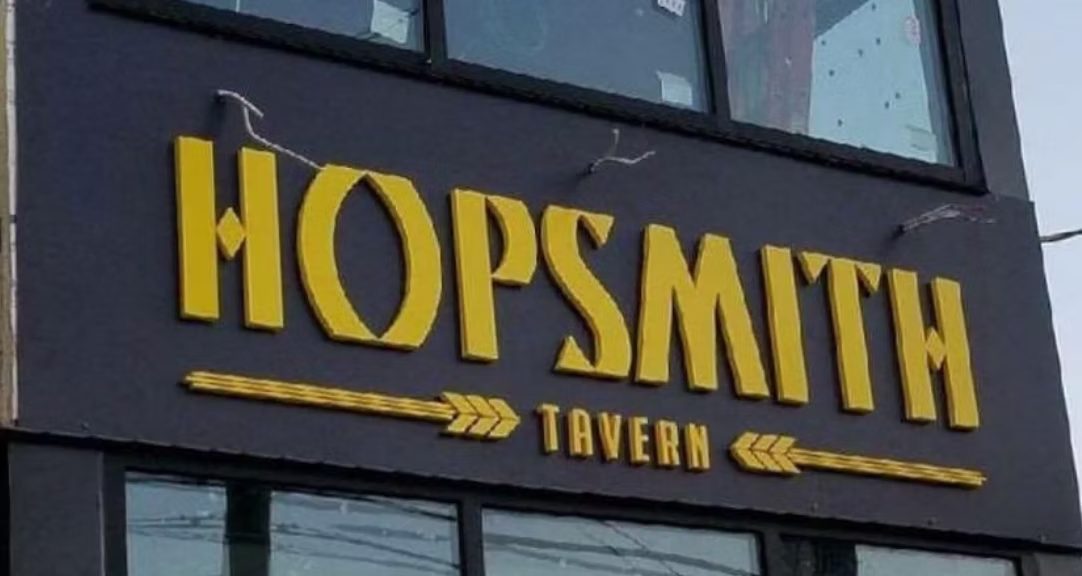

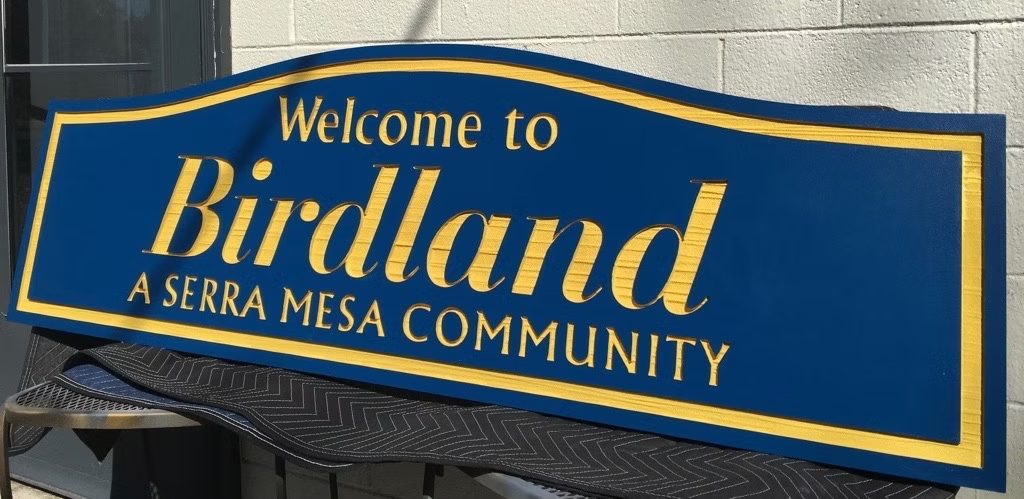
A sign should solve a visibility problem
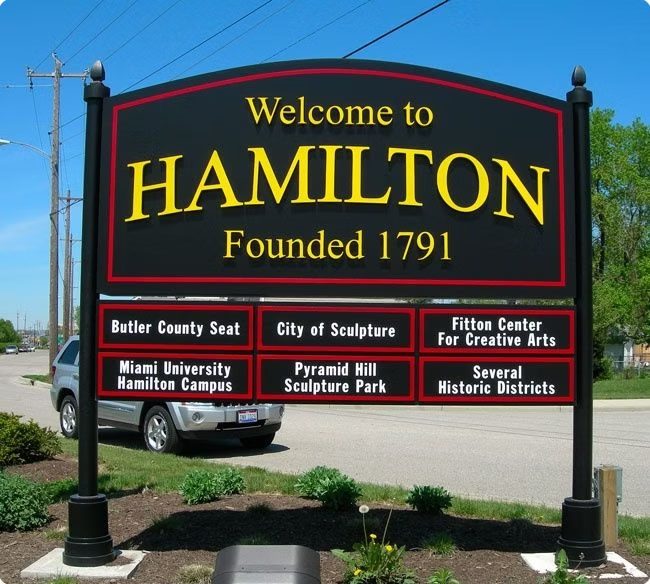
The best business sign begins with its location and audience. A roadside entrance sign needs large, high-contrast copy that can be understood quickly. A lobby logo is viewed up close and must have clean edges, precise spacing and an installation plan. Storefront letters must work with the building architecture and landlord criteria. Treating every sign as the same product leads to poor sizing and unnecessary cost.
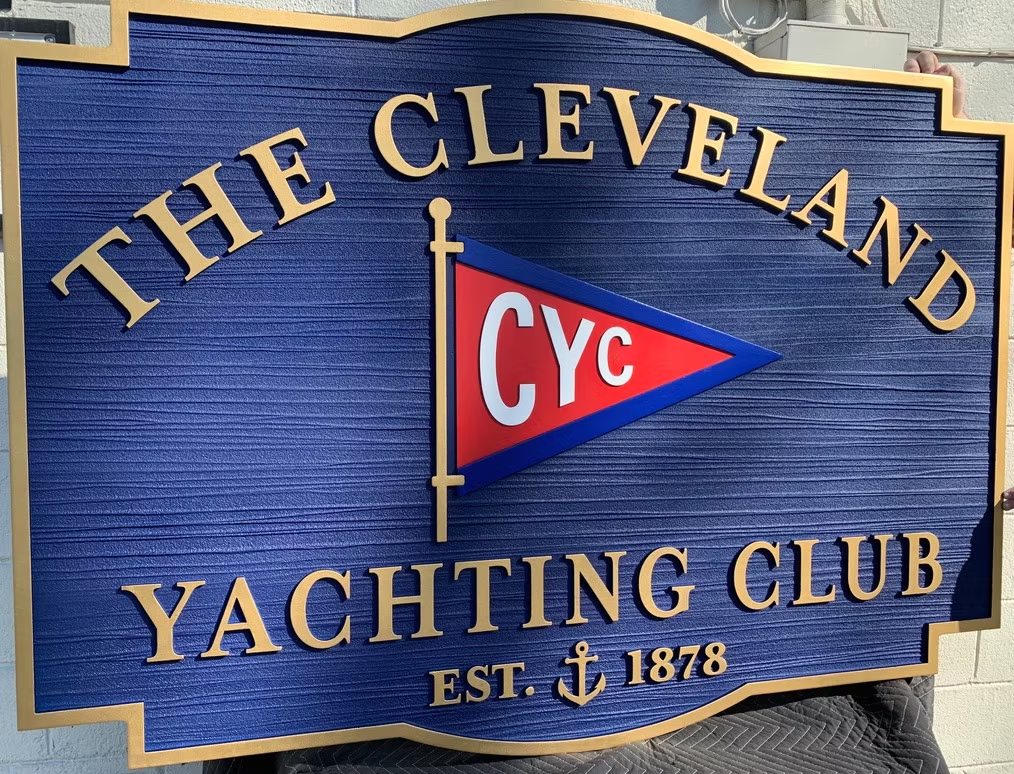
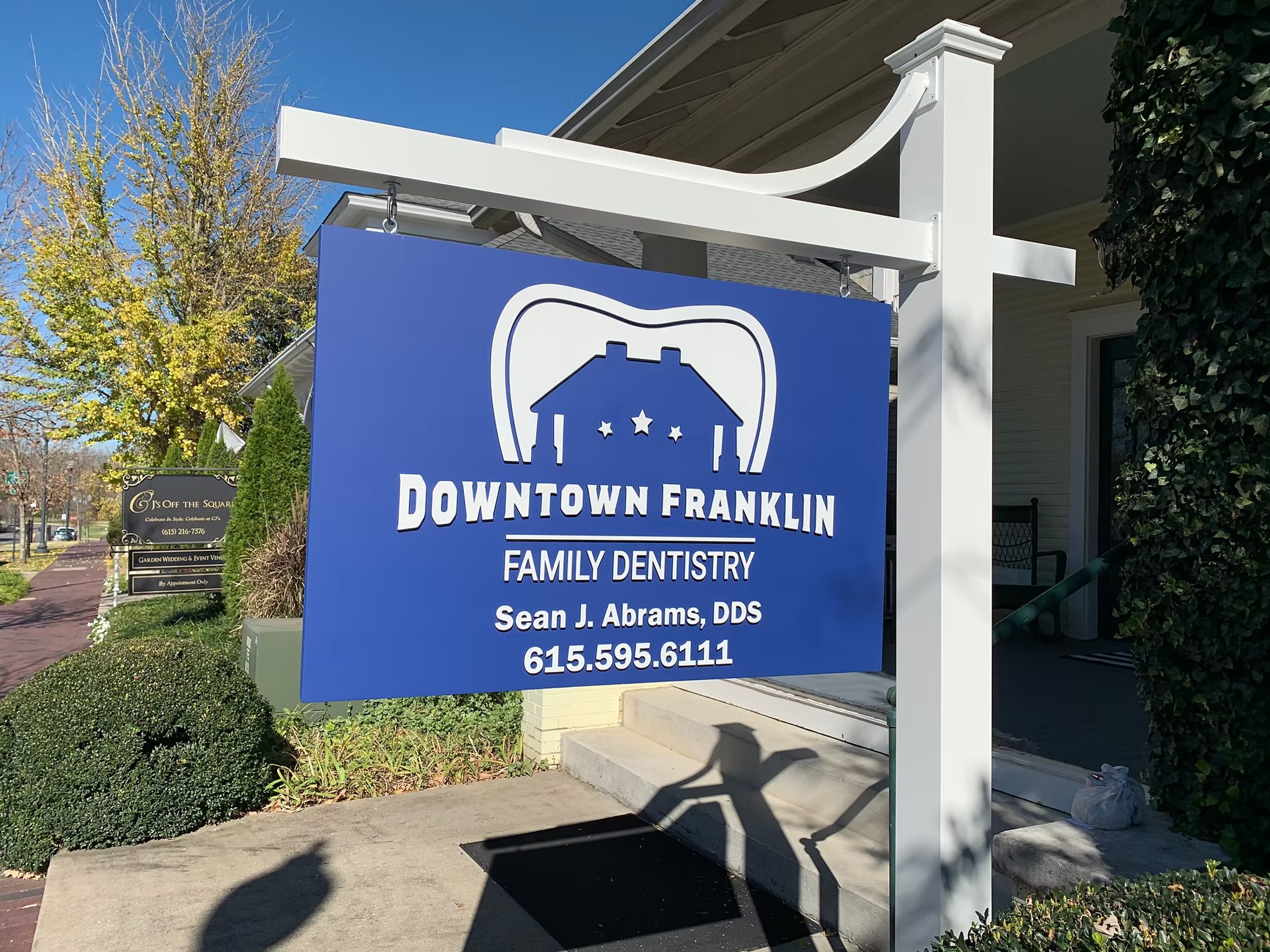
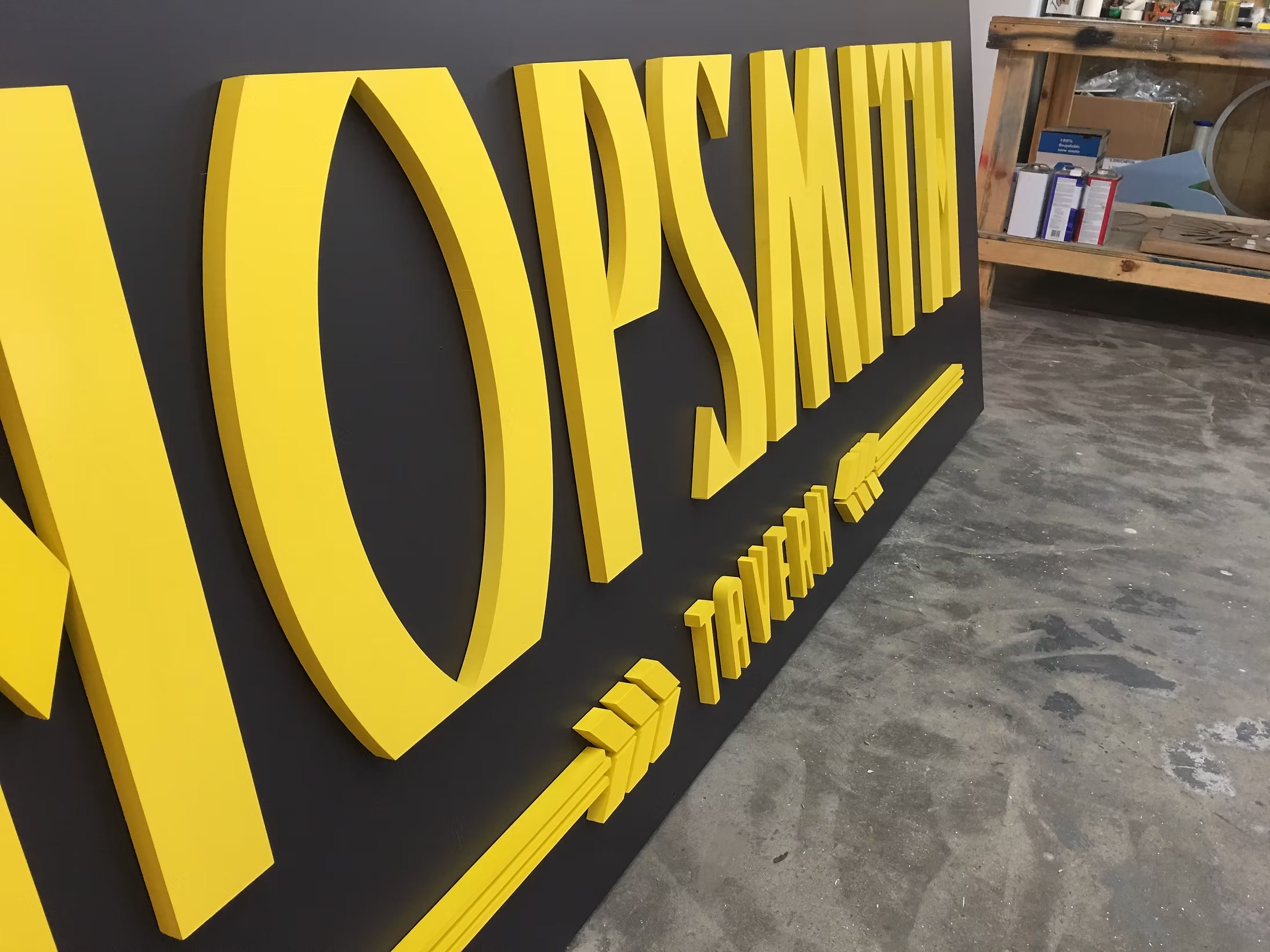
BusinessSign.net manufactures custom non-electrical signage from approved dimensions and artwork. Common projects include routed sign panels, dimensional letters, layered logos, entrance and monument faces, professional plaques, hanging sign panels and coordinated property identification. Signs can be shipped to the customer, contractor, local sign shop or installer.
Start with the finished result, not a technical material name
Many customers know they need letters, an entrance sign or a logo on the wall but do not know whether the best construction uses HDU, acrylic, PVC or several layers. That is normal. Material names become useful after the location, size, appearance and mounting method are understood.
High-density urethane is excellent for routed, dimensional and carved-looking signs. Acrylic can provide crisp colored faces and modern dimensional elements. PVC may be practical for selected interior components. A layered sign may combine several materials to create the right appearance and strength. The sign should be designed around the job rather than forcing every customer into one substrate.
Readability is more valuable than unnecessary detail
A strong sign usually gives the business name or property name first priority. Secondary lines can support the message, but too many phone numbers, services and slogans make a sign harder to understand. Letter height, spacing and contrast should be judged from the real viewing distance, not only from a close-up proof.
Site photographs are extremely useful. A straight-on photo shows available dimensions, while a wider approach photo reveals landscaping, parked cars, shadows, neighboring signs and traffic direction. Those conditions may change the recommended sign size or color contrast.
Artwork must become a physical object
Printed logos can contain very thin lines, tiny words and effects that do not translate directly into routing or dimensional fabrication. We review artwork at the proposed finished size. Delicate details may need to be strengthened, simplified or placed on a background panel so the brand remains recognizable and the sign survives shipping and installation.
Vector files are preferred because they preserve smooth curves at any size. Useful formats include AI, EPS, SVG and vector PDF with fonts converted to outlines. A clear JPG or PNG can still help us understand the project, but redrawing may be required before production.
Manufactured for delivery and installation planning
Packaging and shipping are part of the sign. Finished surfaces need protection, projecting details need support and oversized panels may require freight. Large crates may need a commercial address, lift gate, dock or forklift. These details should be understood before a sign becomes too large or fragile to handle efficiently.
Our normal scope is manufacturing and nationwide shipping. Local permits, electrical work, masonry, foundations and installation are not included unless a written quote says otherwise. This keeps the fabrication scope clear and lets the customer use a qualified installer who understands the wall, monument, building and local requirements.
What to send for a useful quote
Send the overall width and height, quantity, logo or artwork, interior or exterior use, photographs of the location, required date and shipping ZIP code. When a sign must fit an existing frame or monument, include the exact opening, thickness and retainer measurements. When letters mount to a wall, include the total available width and the wall material.
You do not need to have every answer before contacting us. The purpose of the first review is to identify what is known, what still needs to be measured and which choices affect the price. A clear written scope is more valuable than a rushed number based on assumptions.